Understanding Rotary Evaporator Price
From lab research to industrial production, know what determines the cost of a rotary evaporator.
What is a Rotary Evaporator?
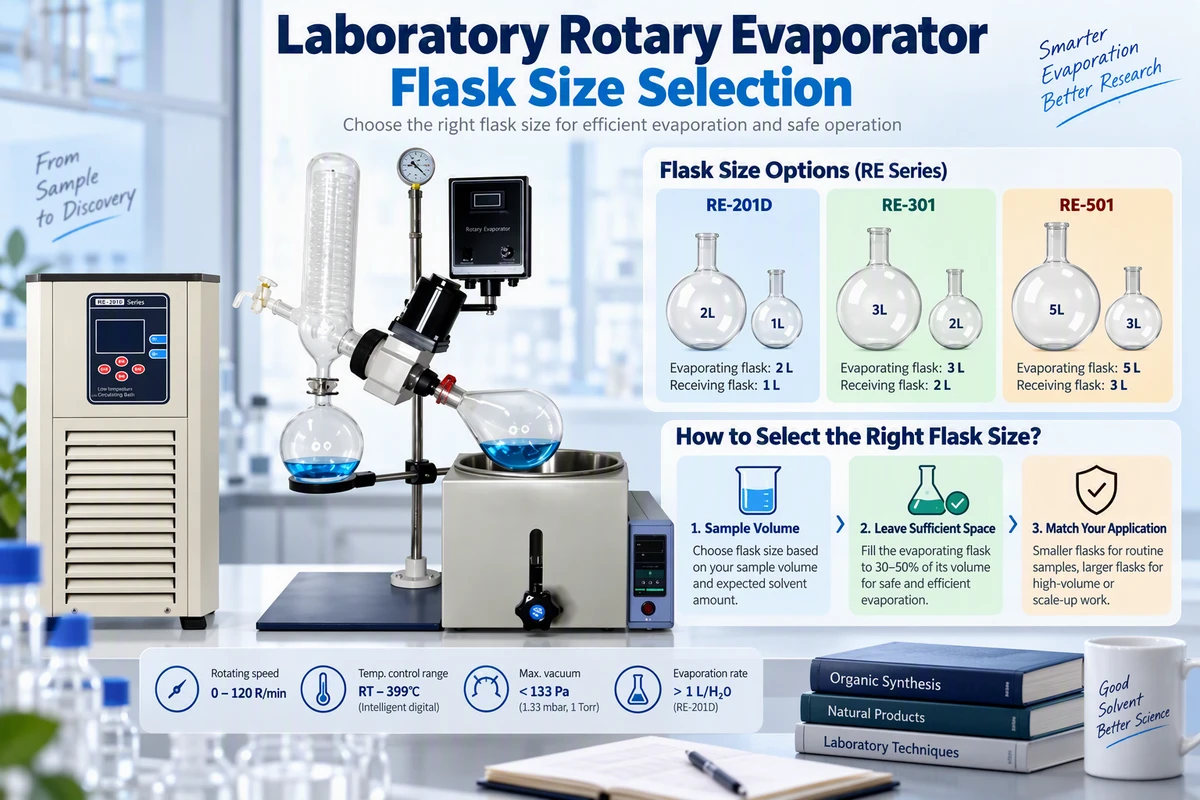
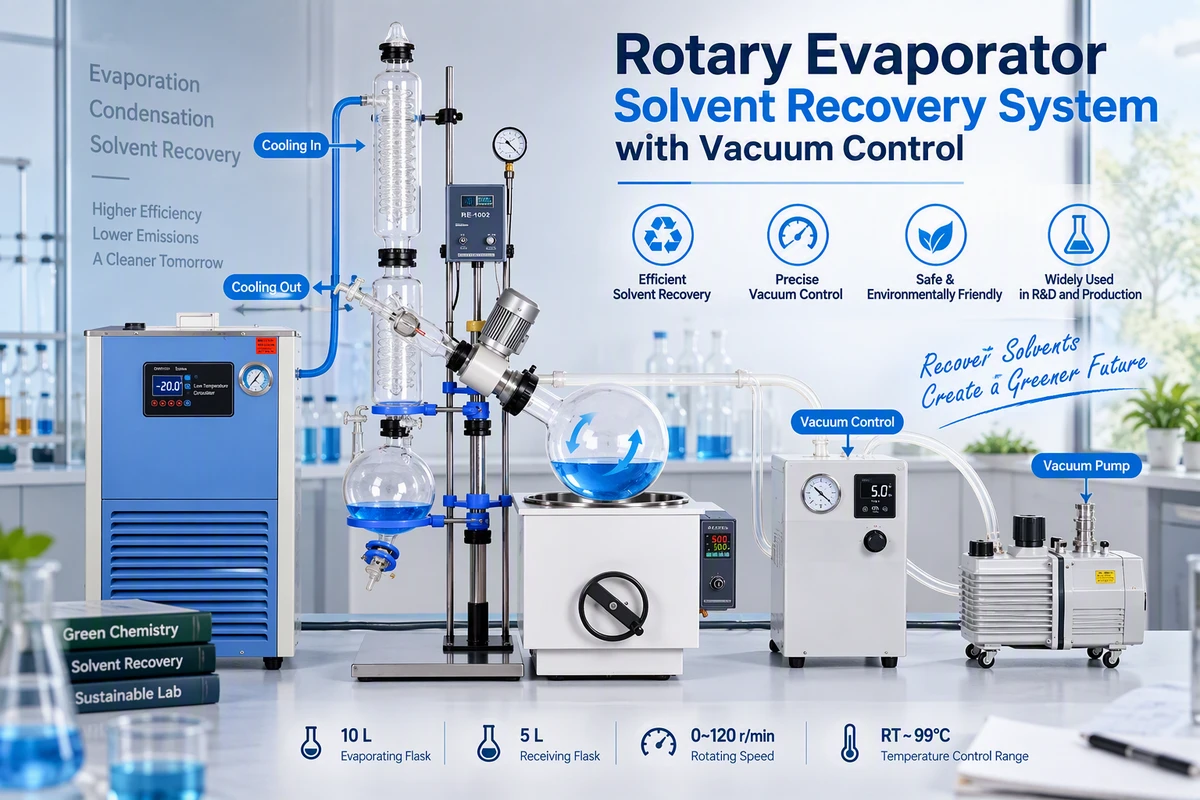
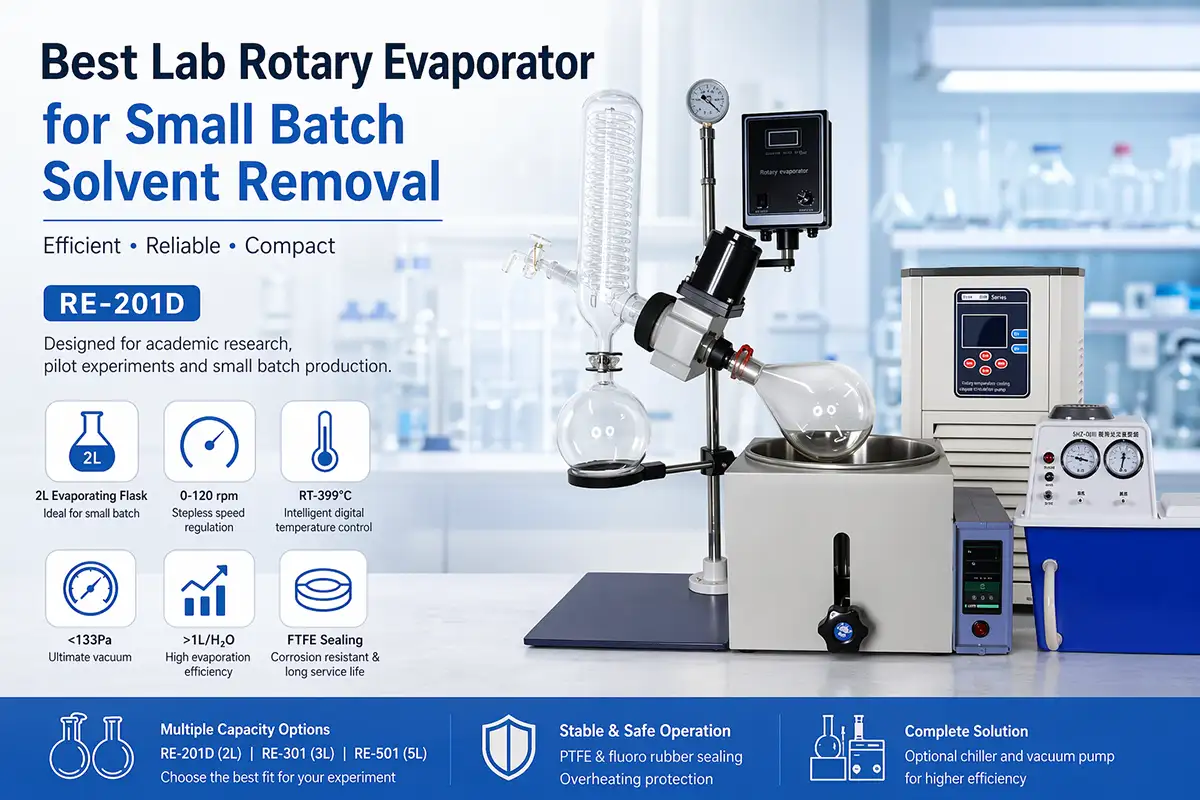
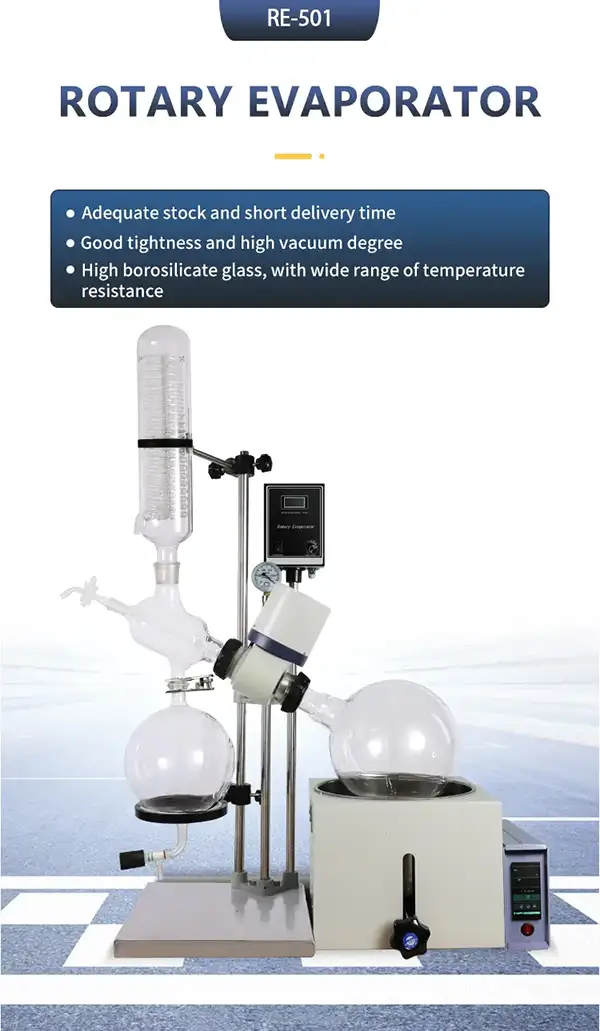
A rotary evaporator is a laboratory device used for the efficient and gentle removal of solvents from samples by evaporation. Common in chemical laboratories, it plays a vital role in processes like distillation, purification, and concentration of materials. For example, a 2L rotary evaporator is often found in academic R&D labs, while larger models such as the 50L rotary evaporator are used in industrial-scale operations.
Factors Affecting Rotary Evaporator Price
The price of a rotary evaporator can vary from a few hundred dollars to several thousands, depending on:
Capacity
Small scale mini rotary evaporators cost less than large industrial models.
Automation Level
Manual vs. automated controls impact the price.
Material Quality
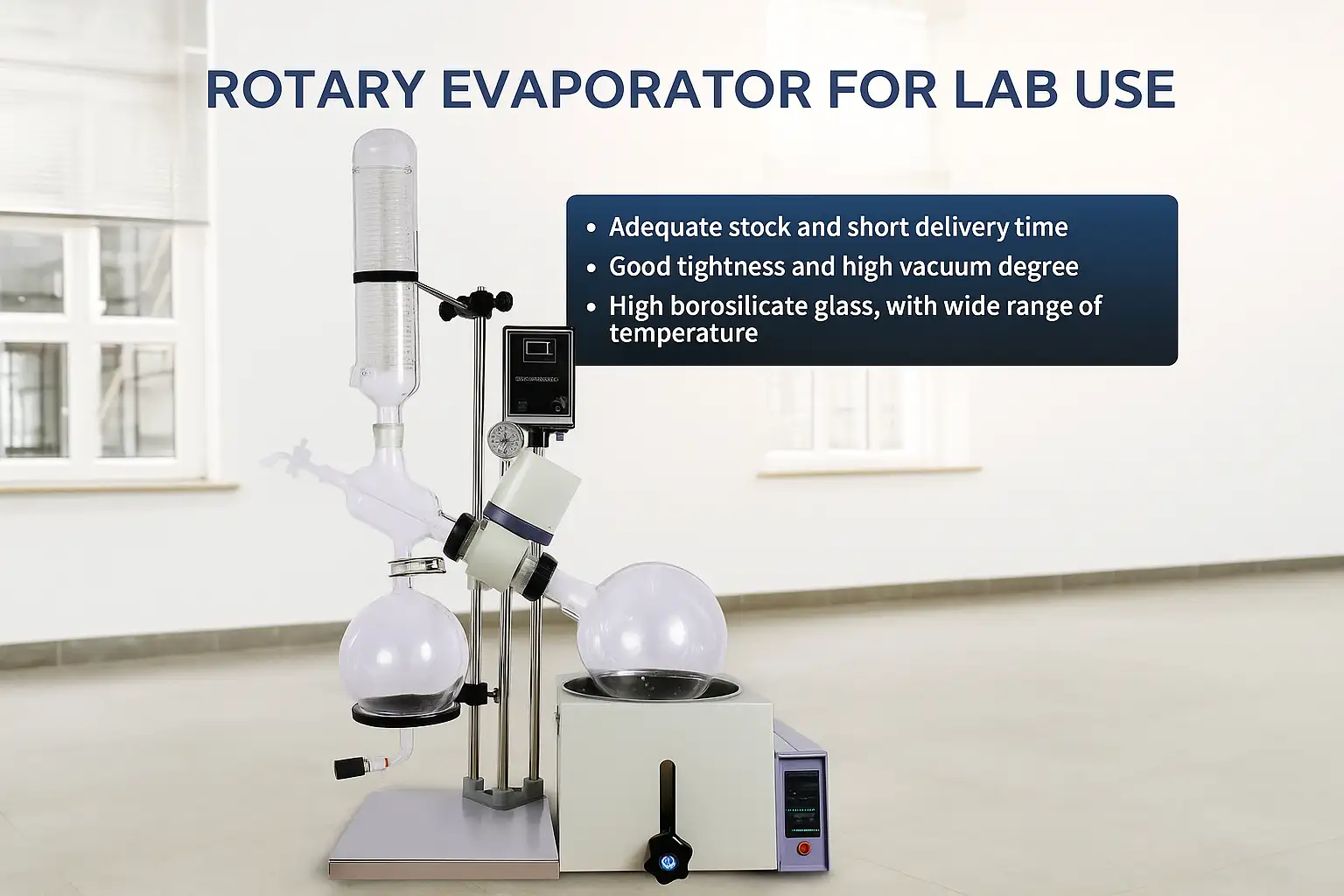
Borosilicate glass, stainless steel frames, and high-grade seals add cost but improve durability.
Brand & Features
Renowned brands and digital displays/controllers can raise prices by 20–40%.
A basic entry-level model for small labs can range between $500 to $1,500, whereas specialized or high-capacity units such as the 5L rotary evaporator may range from $2,000 to $5,000 depending on specifications.
Price Comparison by Volume Capacity
Entry Level
Small research labs
Manual operation
Basic solvent recovery
Mid-Range
University laboratories
Semi-automated
Medium throughput
Digital temperature control
Industrial
Manufacturing facilities
Fully automated
High volume processing
Advanced safety systems
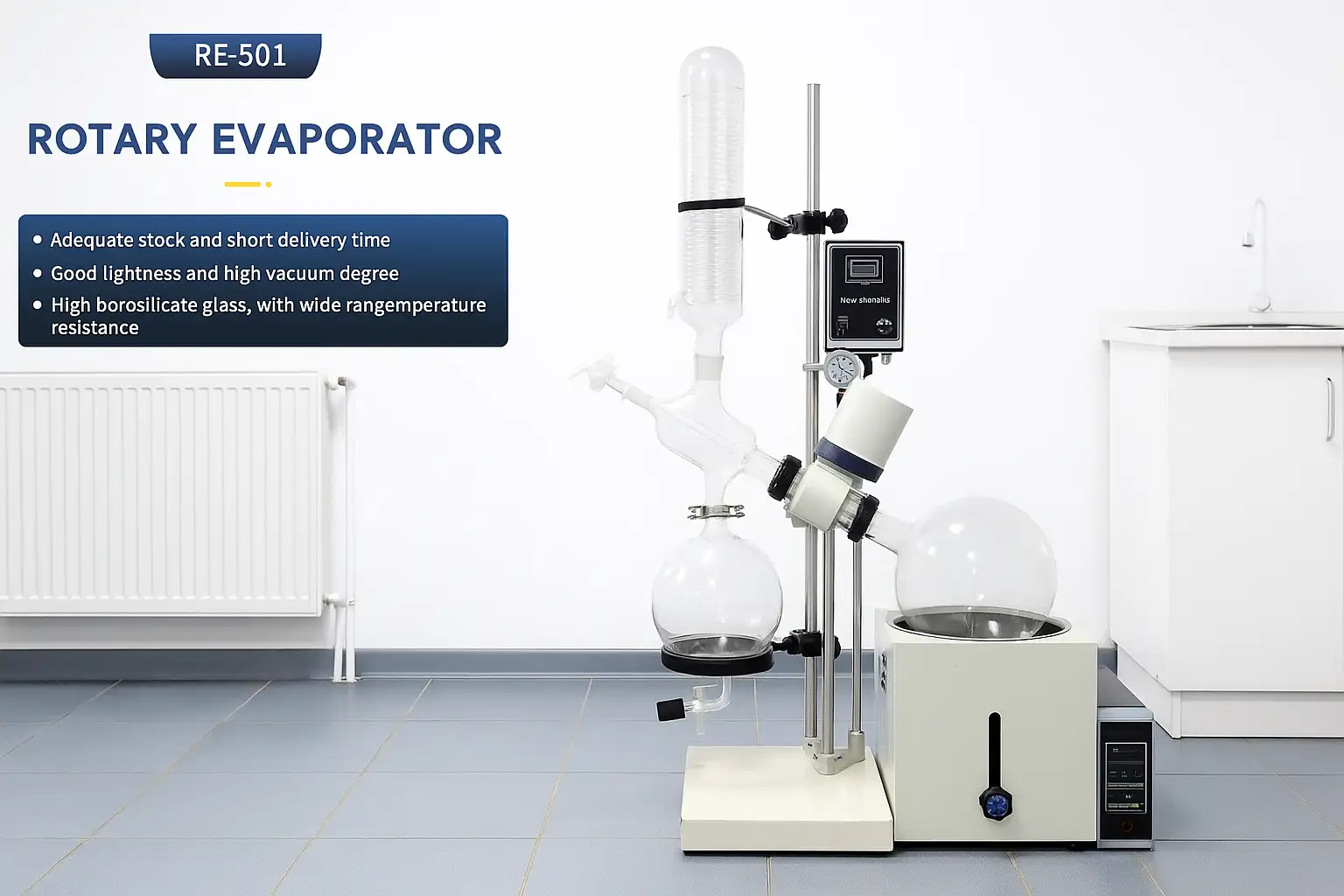
The main reasons are increased material costs, higher-grade sealing systems, and stronger motor and vacuum technology needed to handle large solvent volumes. For example, a 50L rotary evaporator not only has a larger flask but also requires a more advanced condenser and circulation system, increasing both manufacturing complexity and cost.
Global Market Trends
According to market research by Grand View Research, the global laboratory equipment market is projected to reach USD 68.09 billion by 2030, growing at a CAGR of 7.4% from 2023 to 2030. This growth directly influences rotary evaporator demand and pricing.
Buying Tips to Get the Best Rotary Evaporator Price
Compare Suppliers
Request detailed quotes from multiple suppliers to ensure you get the best deal.
Check Warranty
Better after-sales support potentially saves significant costs in long term.
Consider Scalability
A slightly larger model may be more economical than upgrading later.
Look for Promotions
Check for special offers, bundles, or refurbished equipment.
Yes, especially if solvent recovery, energy consumption, and consistent performance are priorities. Higher-quality systems tend to have longer operational life and lower maintenance costs.